
27 July 2026 · Evidence reconciliation
Collection workbook checked against the supplied field record.
The supplied workbook records 1,037.0 kg across 26 weekly rows and eight named ghats. This entry preserves the dated collection record and links to the evidence dossier used for the review.
What the experiments changed
Source: evidence-backed dossier updated 31 July 2026. These are documented learning records, not claims of awards, scale, or completed production.
Segregation
Experiment / first approach: Mixed material moved into the drying stage.
Observation / failure: Plastic thread, leaves, and unrelated material contaminated drying trays.
Improvement: Use two-bin sorting and take a process photo before transfer.
Drying
Experiment / first approach: Rely on sun drying alone.
Observation / failure: Weather made moisture levels inconsistent.
Improvement: Follow sun drying with controlled tray drying where required.
Pulverising
Experiment / first approach: Process dried material without a consistent particle-size check.
Observation / failure: Particle size varied between batches.
Improvement: Use a pulveriser and sieve check before mixing.
Binding
Experiment / first approach: Use a high flower share in the mix.
Observation / failure: The formed product cracked.
Improvement: Record and reuse the working natural-binder ratio.
Public metrics
Experiment / first approach: Maintain impact figures manually on the public site.
Observation / failure: Public numbers could drift away from the underlying records.
Improvement: Publish only figures with a dated source note and keep internal operating data off public pages.
प्रक्रिया
The full journey, frame by frame.
Collection, drying, moulding, packaging, and inventory are shown through real process photography.
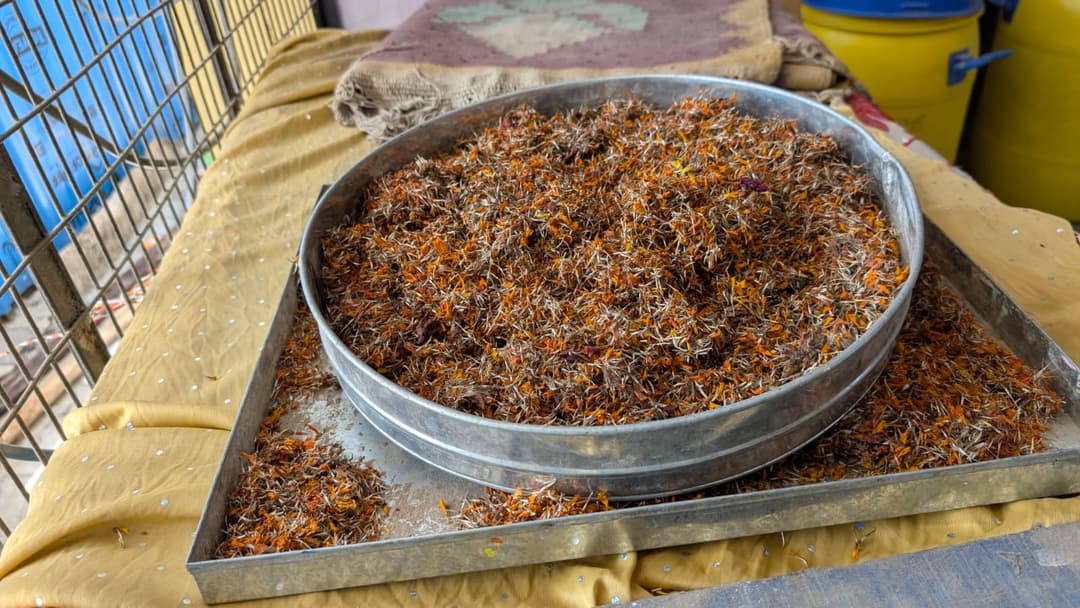
Sacred offerings collected
Temple flowers are collected as a visible material stream before they enter the Amrit Dhara product pipeline.
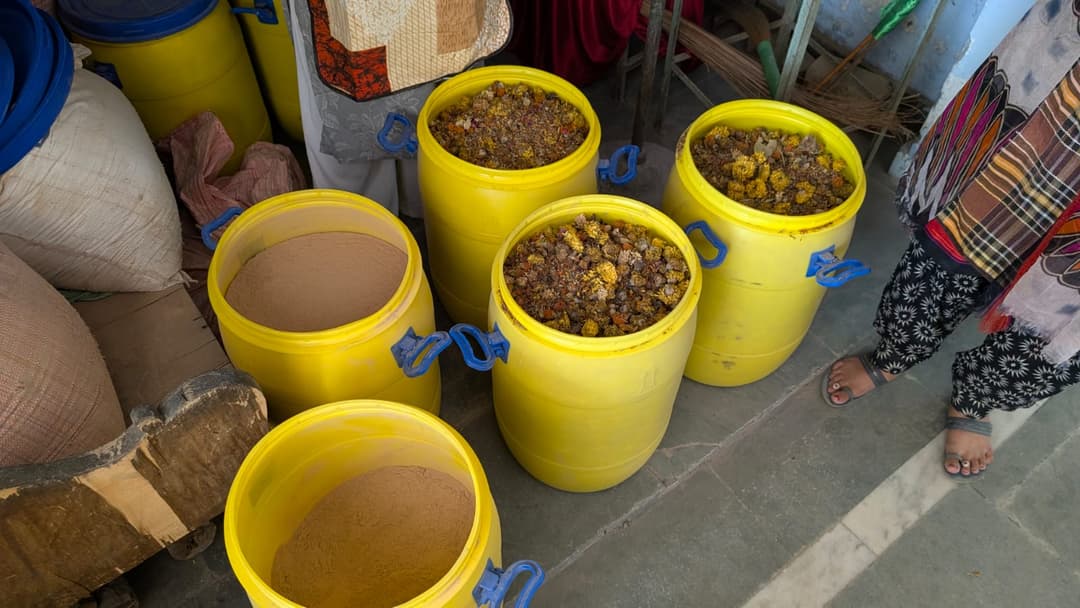
Sorted into clean material streams
Collection barrels separate raw flowers, dried powder, and usable inputs so field proof can stay connected to inventory.
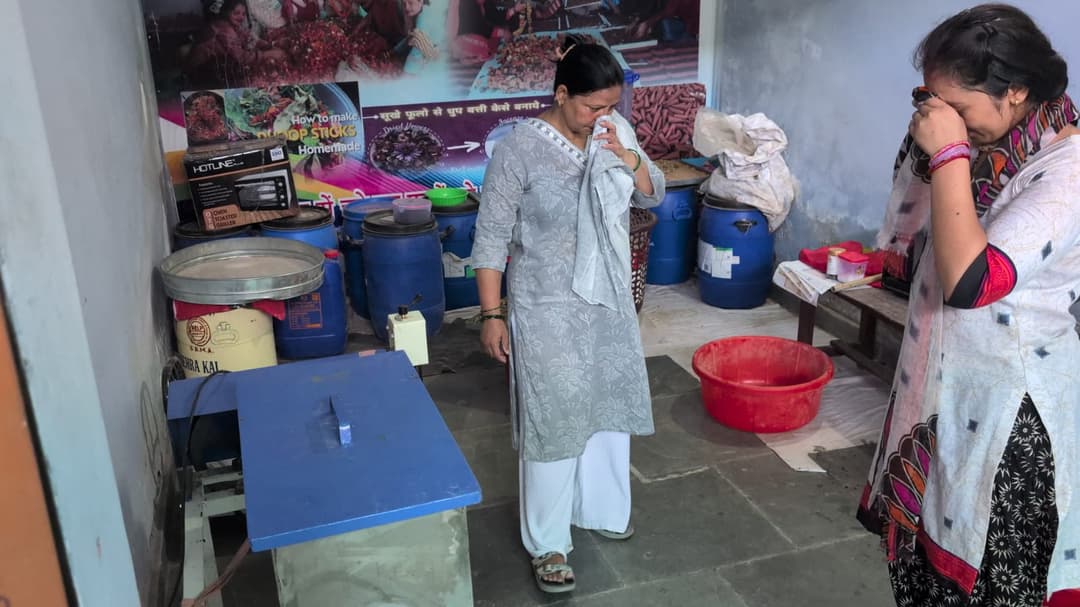
Workshop intake and review
The workshop review stage checks material quality, batch readiness, machinery needs, and livelihood participation.
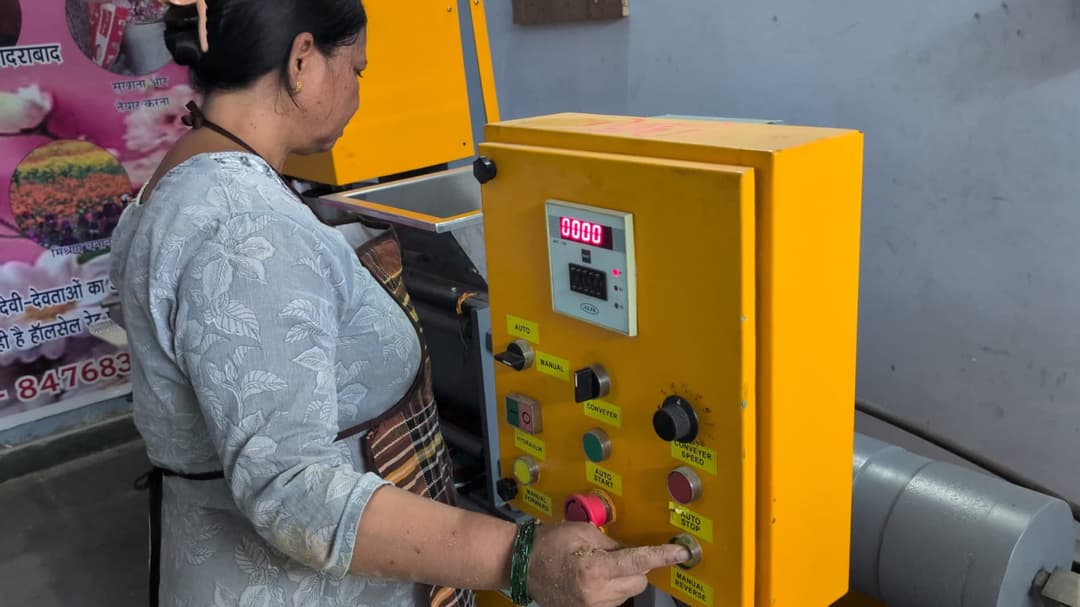
Machine settings calibrated
Controls are checked before production so cone and cup output stays repeatable enough for real sales.
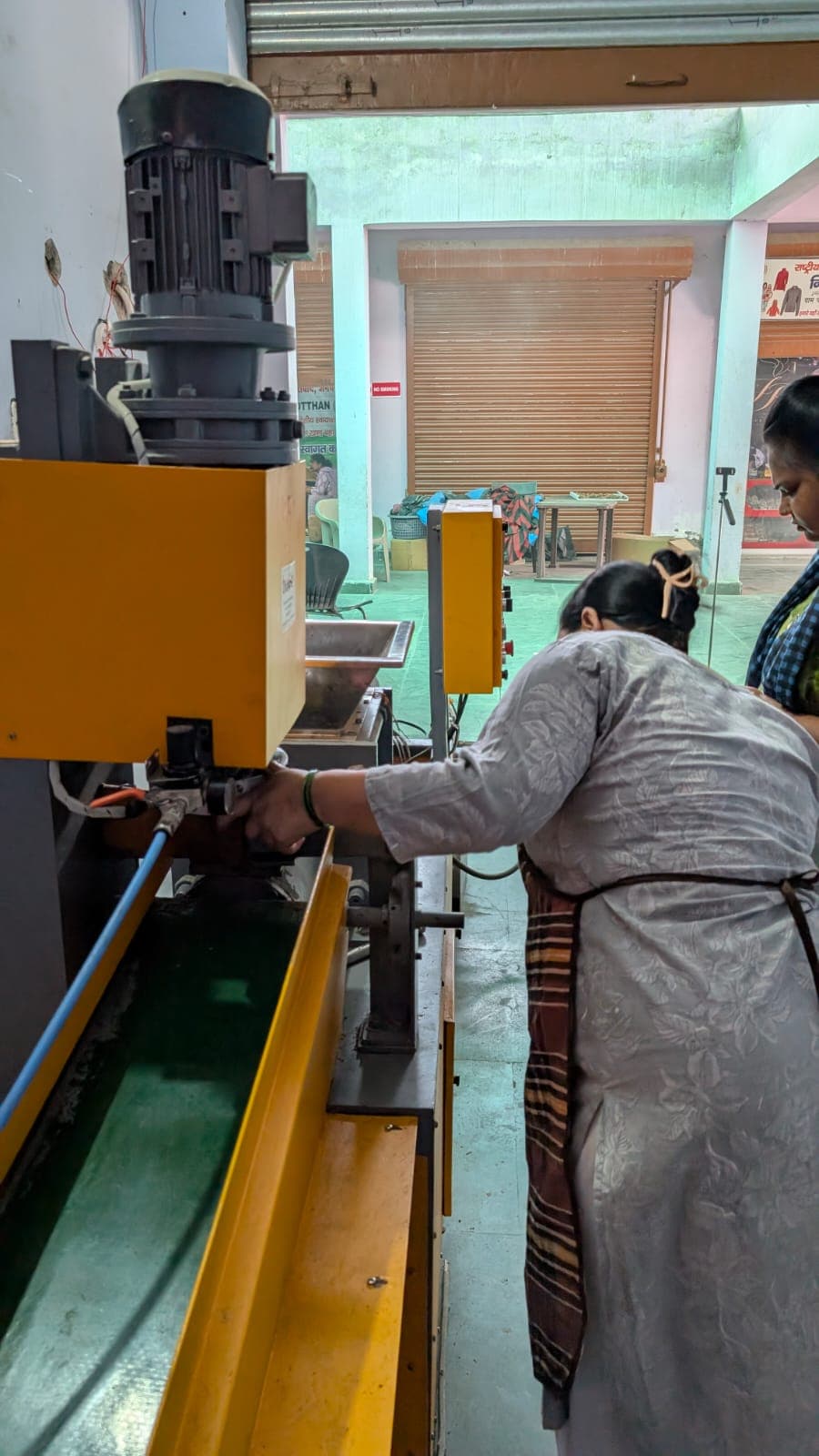
Moulding line operated by trained women
Women-led production turns prepared material into ritual products while keeping the process visible and accountable.

Featured
From Water Testing to Waste Prevention
Moulik's founder-journal story: how water-quality research led him from testing polluted water to preventing sacred offering waste at the source.
20 Jun 2026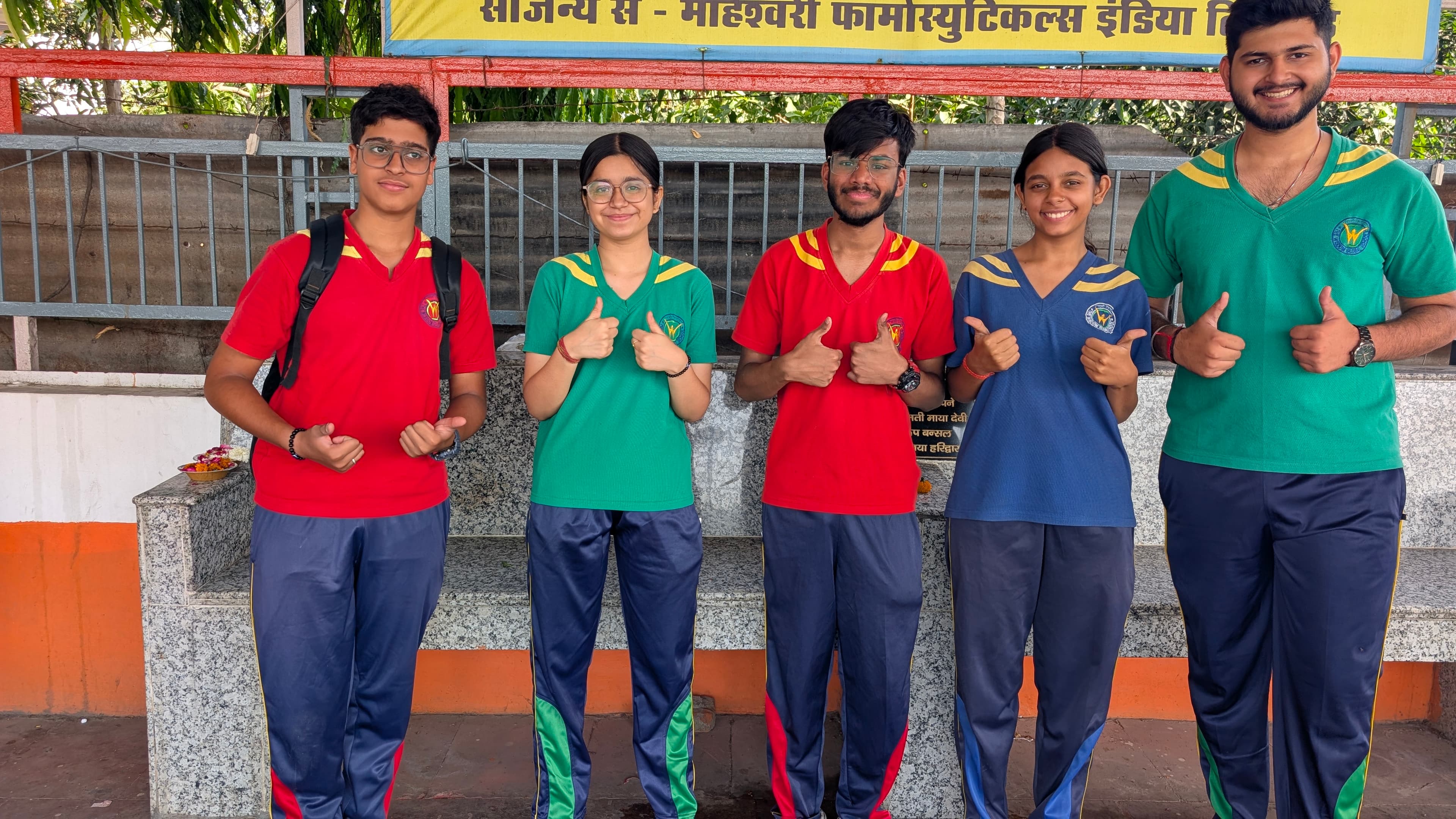
Founder Notes
Lessons from Har Ki Pauri Awareness Drives
What field conversations around Har Ki Pauri taught the team about devotion, behaviour change, collection discipline, and public trust.
19 Jun 2026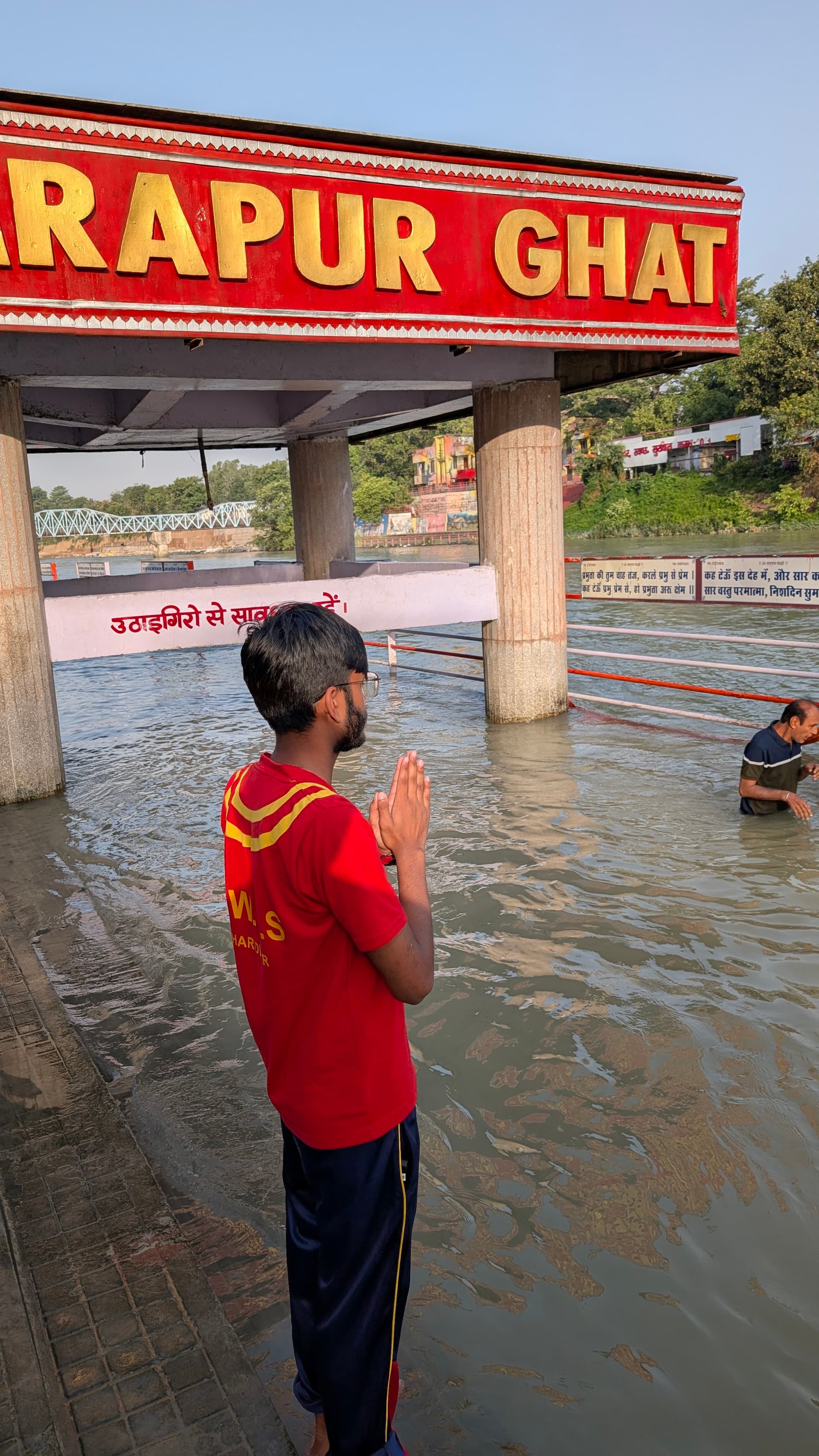
Founder Notes
A Narmada chapter replication model for Jabalpur
How the Haridwar proof system can be adapted carefully for a proposed Narmada chapter with local partners.
8 Jun 2026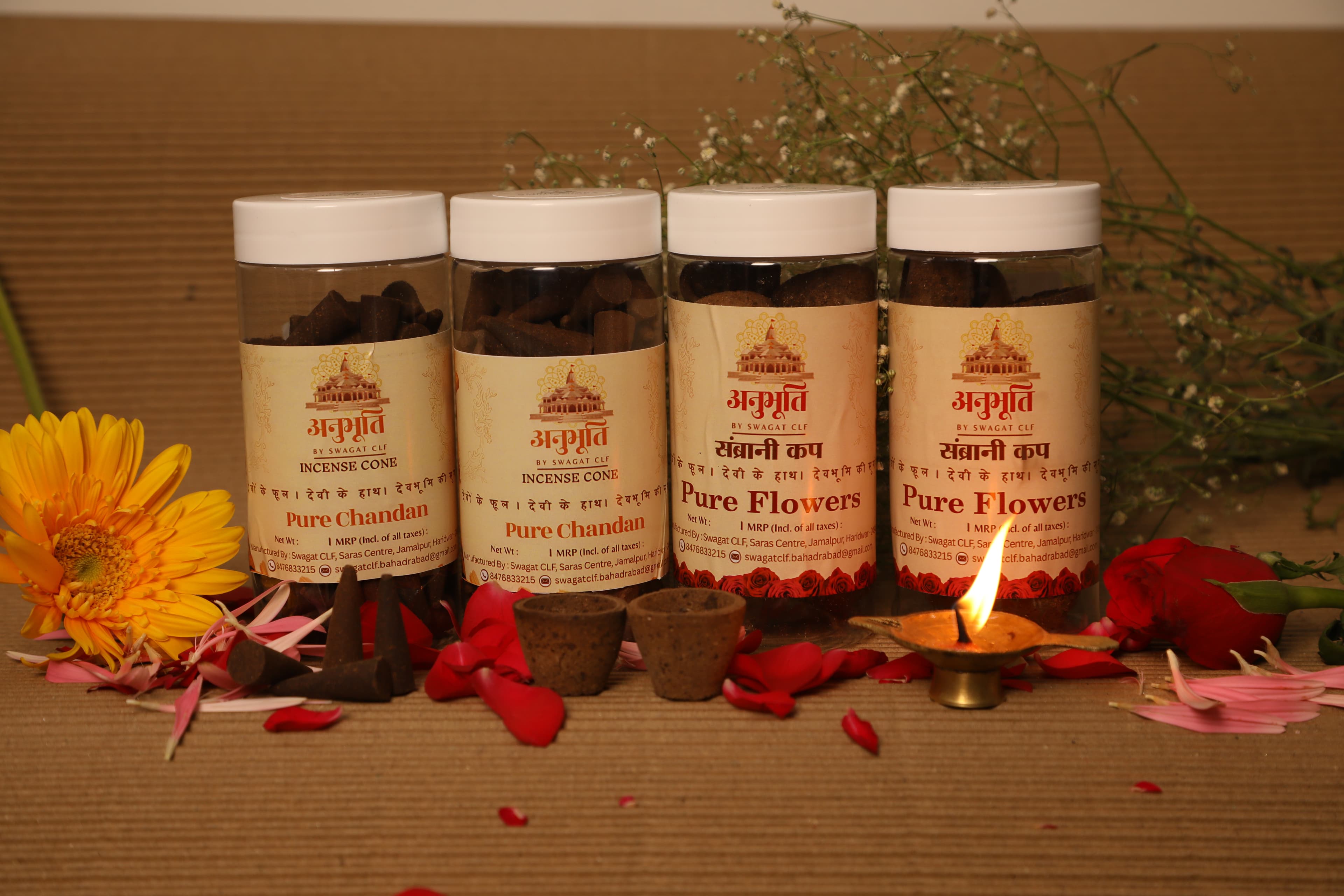
Technical Notes
The Razorpay, order, and inventory loop
How ecommerce payments should connect to fulfilment without exposing private keys or losing stock discipline.
3 Jun 2026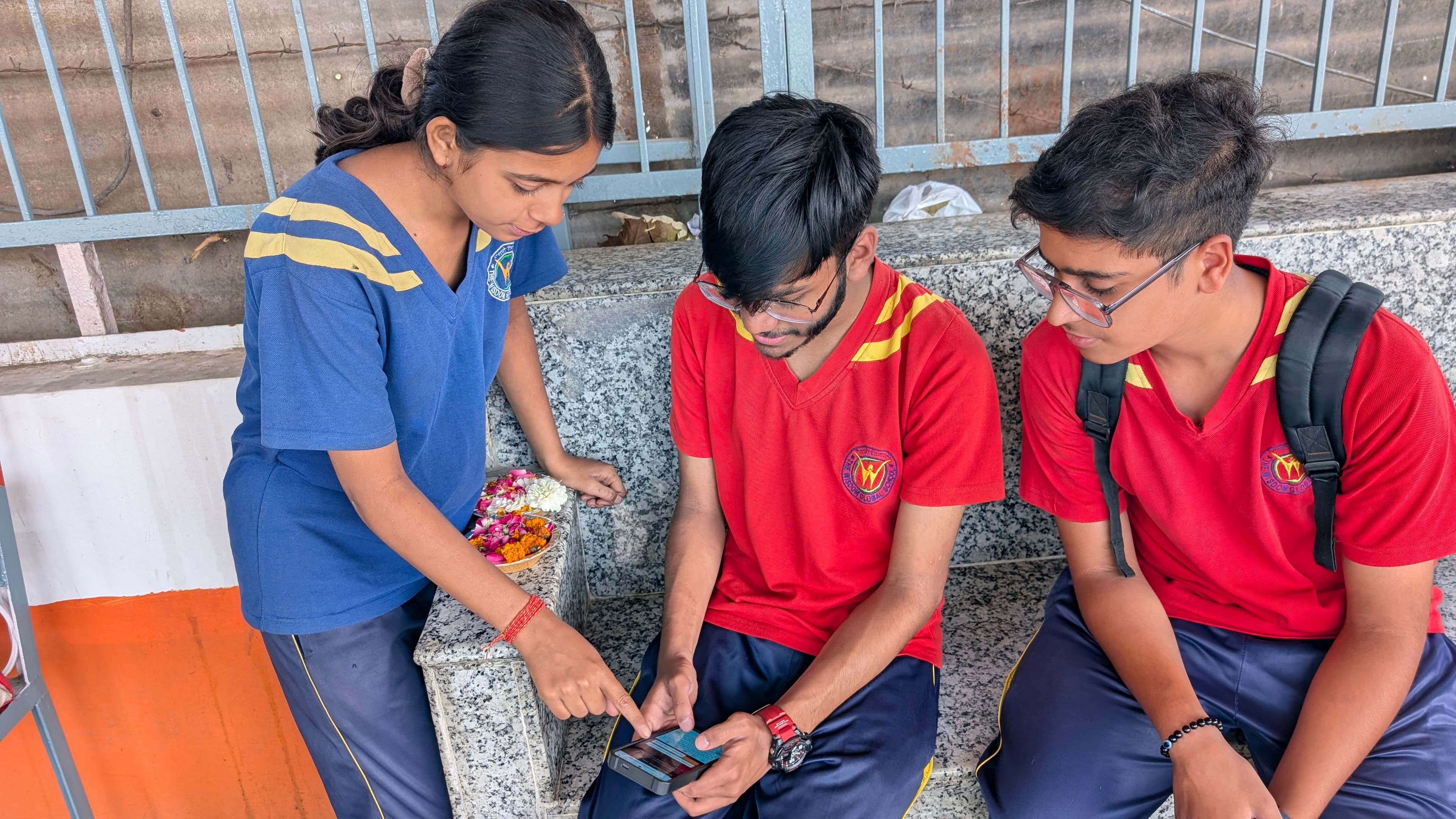
Technical Notes
From collection photo to proof ledger
A technical walkthrough of how Amrit Dhara turns field evidence into reviewer-safe impact numbers.
30 May 2026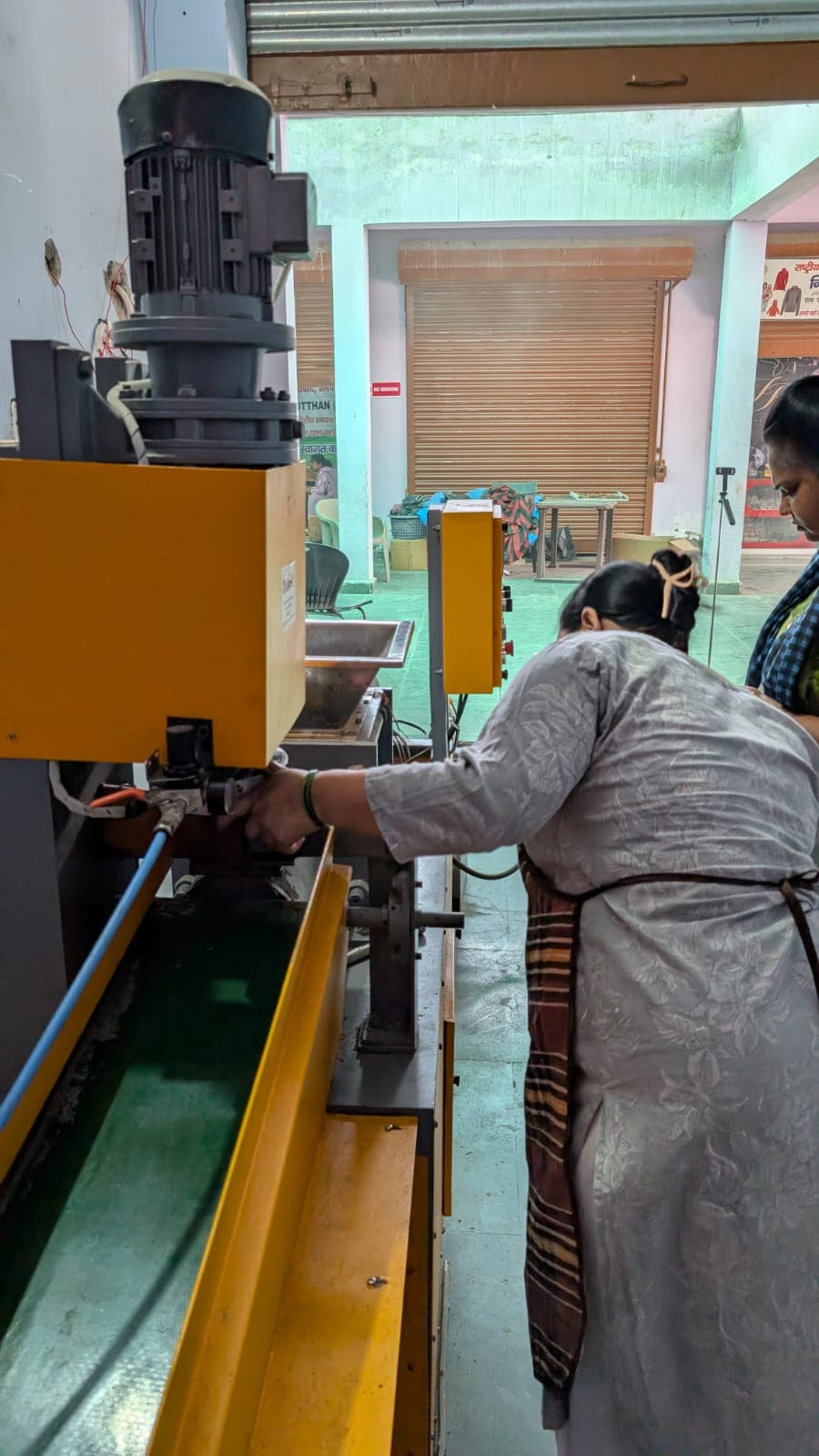
Worker Spotlights
Designing a women-led production workflow with dignity
How Amrit Dhara connects livelihoods, training, and product quality without turning people into background decoration.
26 May 2026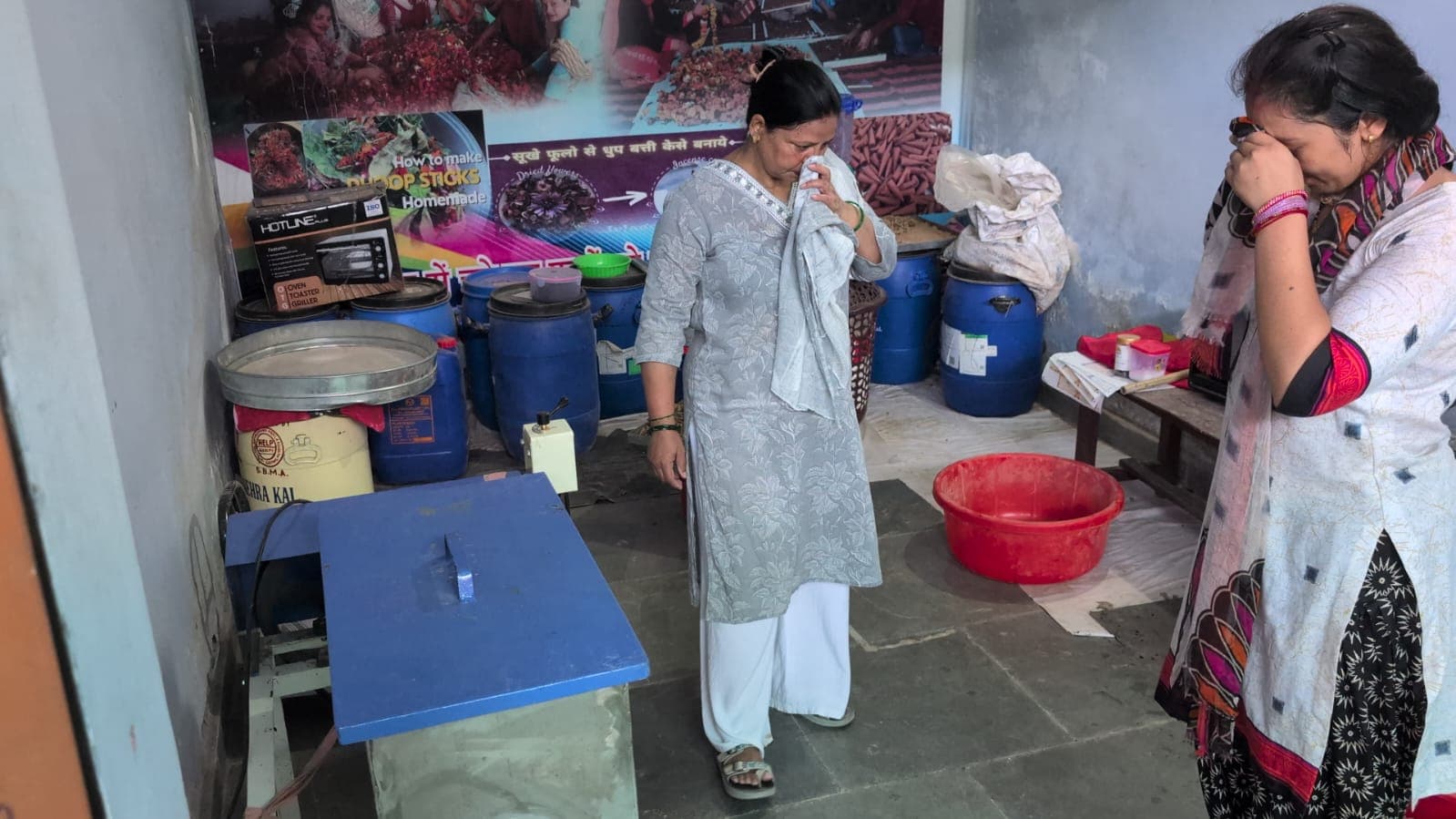
Technical Notes
Quality control for aroma, strength, and burn behavior
The checks that keep a sacred-offering product from feeling improvised.
22 May 2026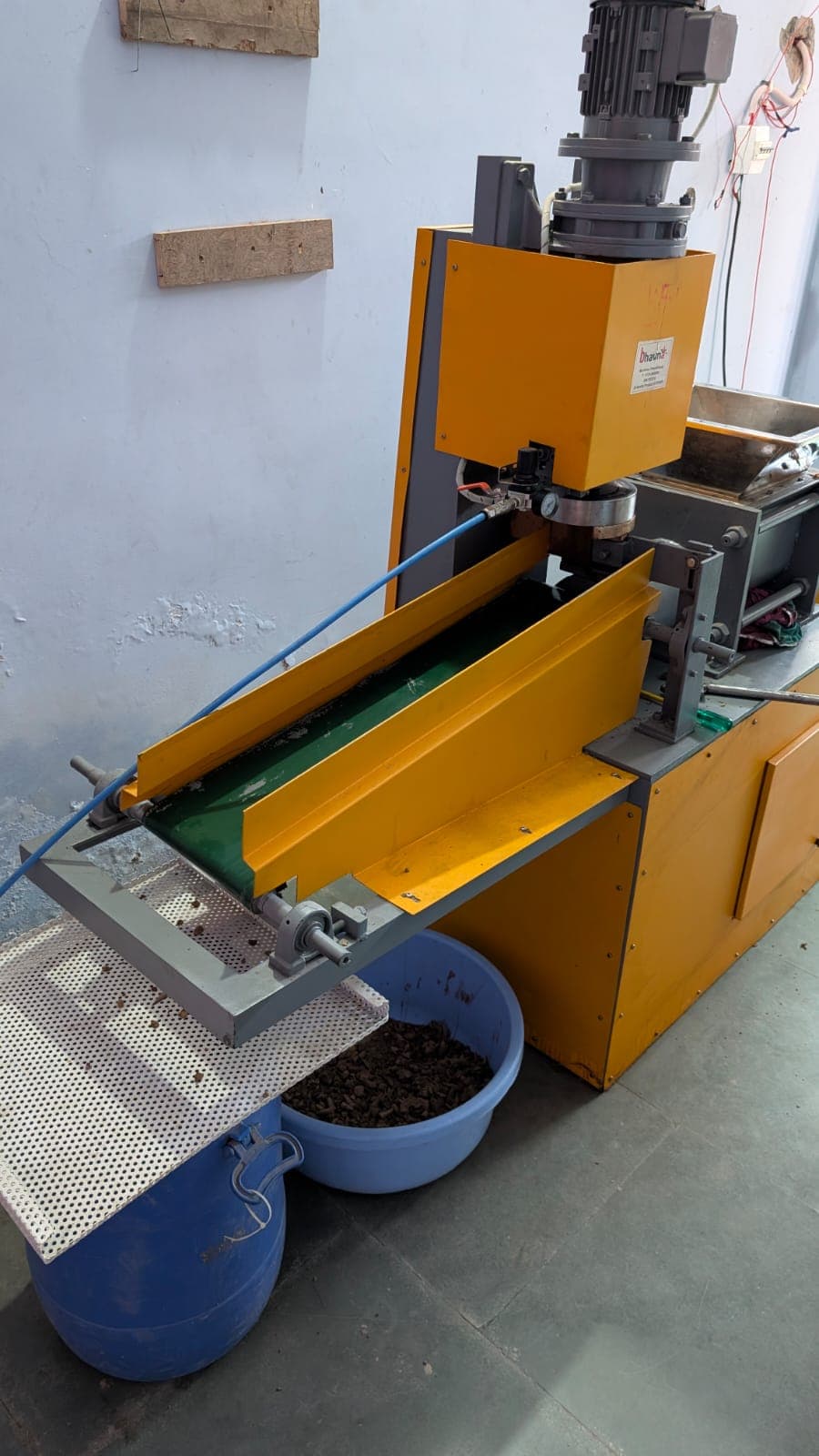
Technical Notes
Moulding cones and sambrani cups: where process becomes product
How shape, pressure, drying time, and handling decide whether a batch becomes sellable inventory.
18 May 2026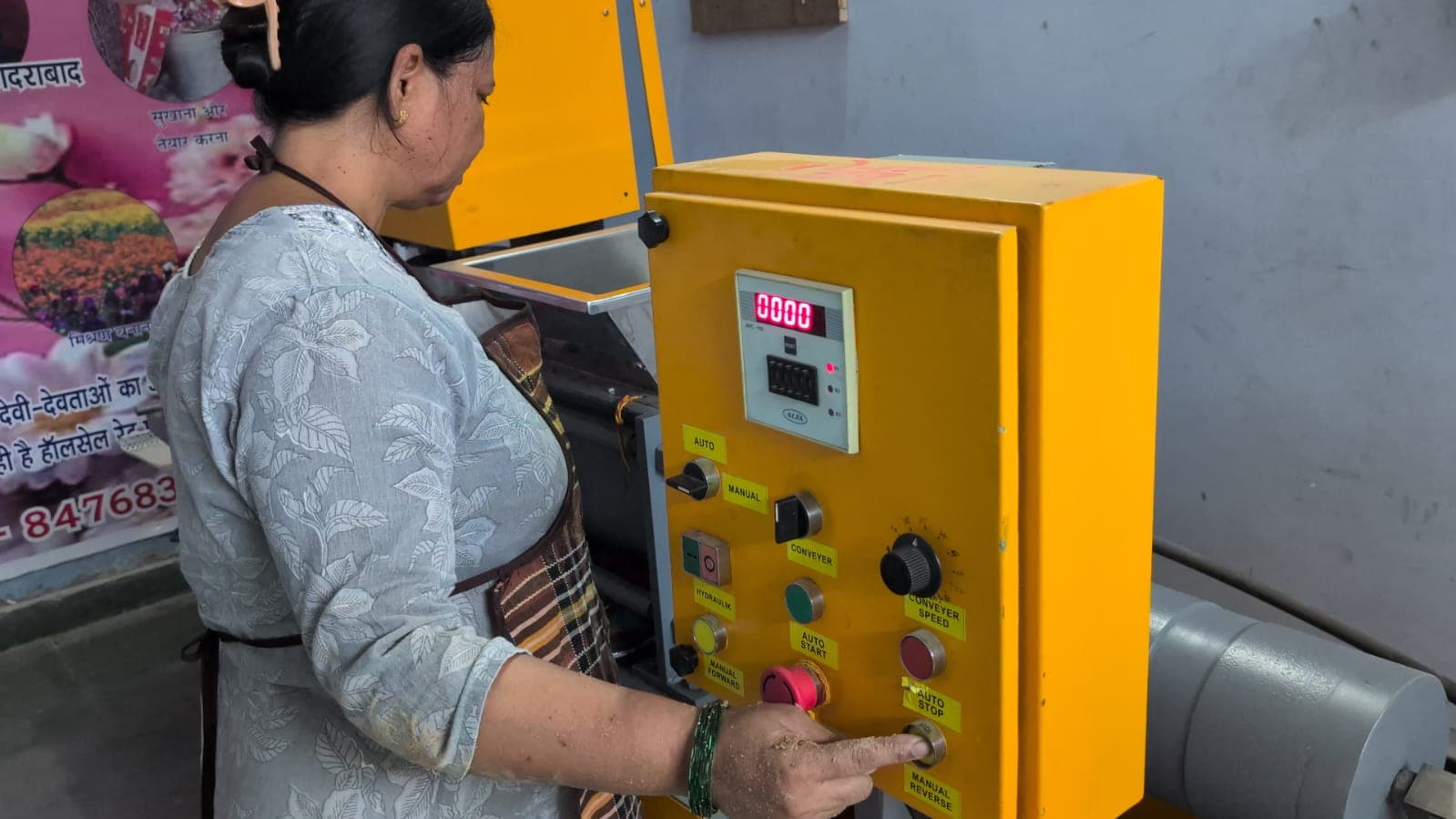
Technical Notes
Powder, binder, and fragrance: building a repeatable incense base
The technical logic behind making incense cones and sambrani cups without publishing a proprietary recipe.
14 May 2026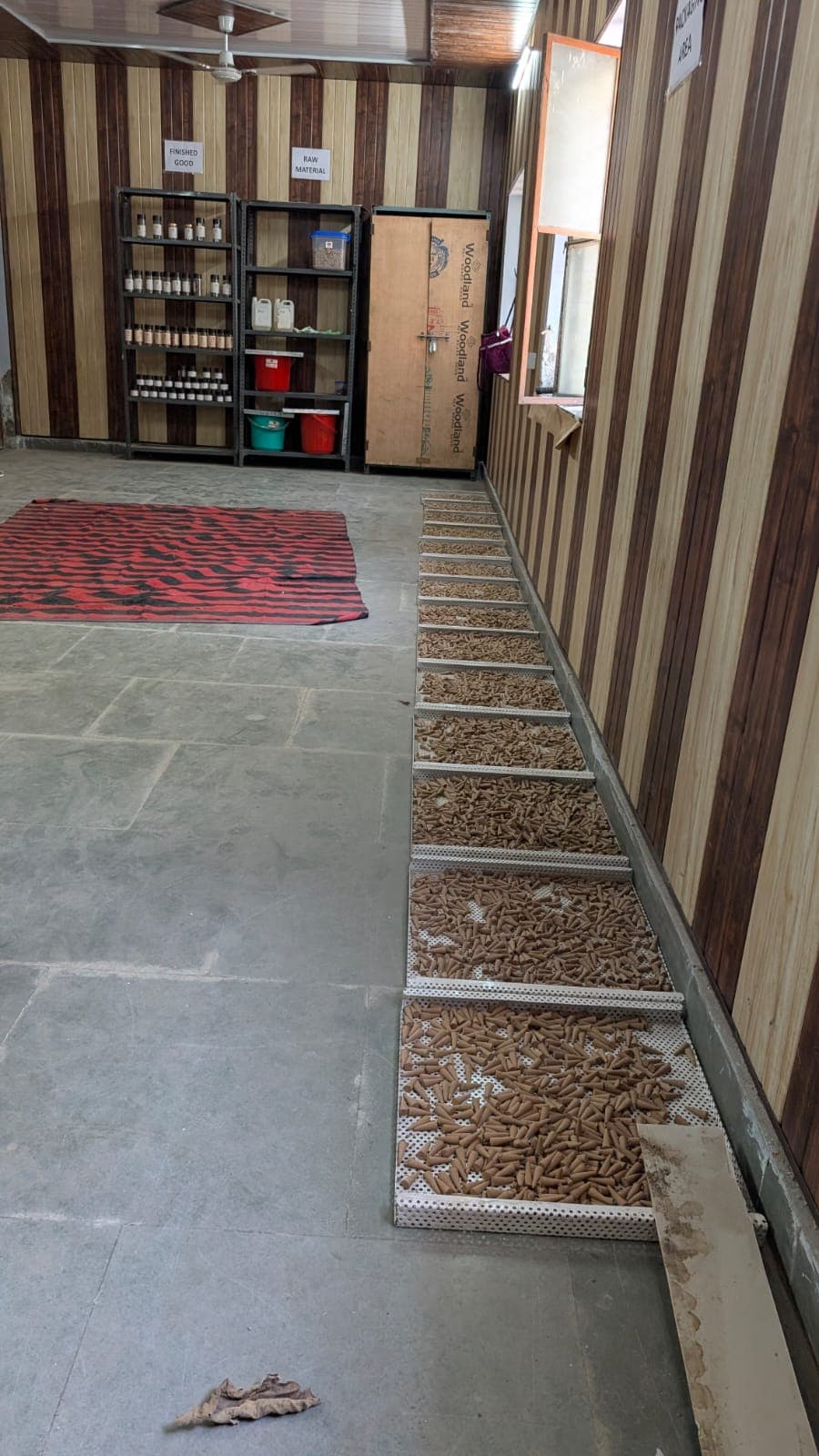
Technical Notes
Sun drying and moisture control in sacred-offering recycling
A practical note on why drying trays are the bridge between temple collection and stable incense production.
10 May 2026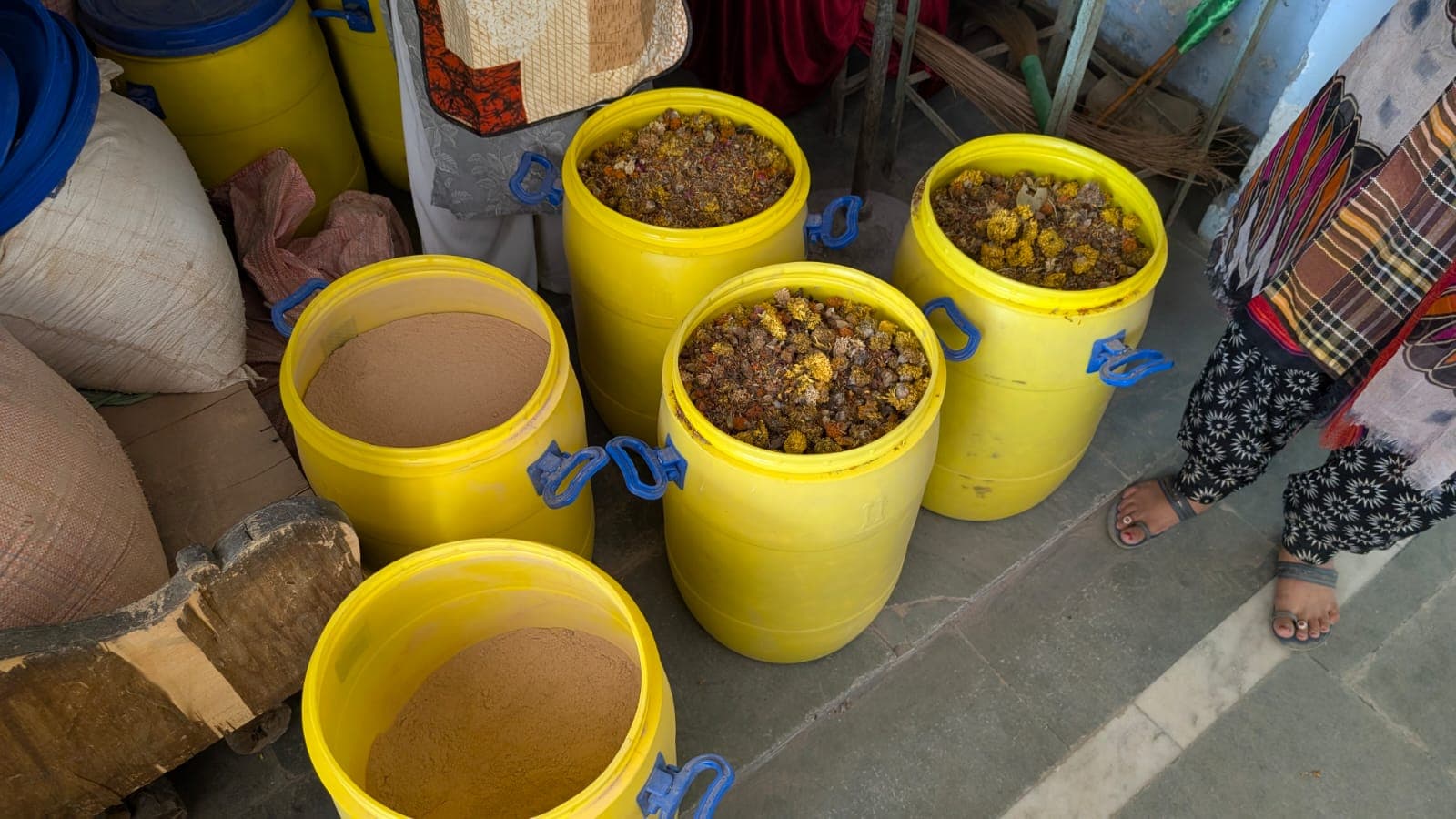
Technical Notes
Segregation before processing: the quiet quality control step
Why Amrit Dhara treats sorting as a technical stage, not a housekeeping task.
5 May 2026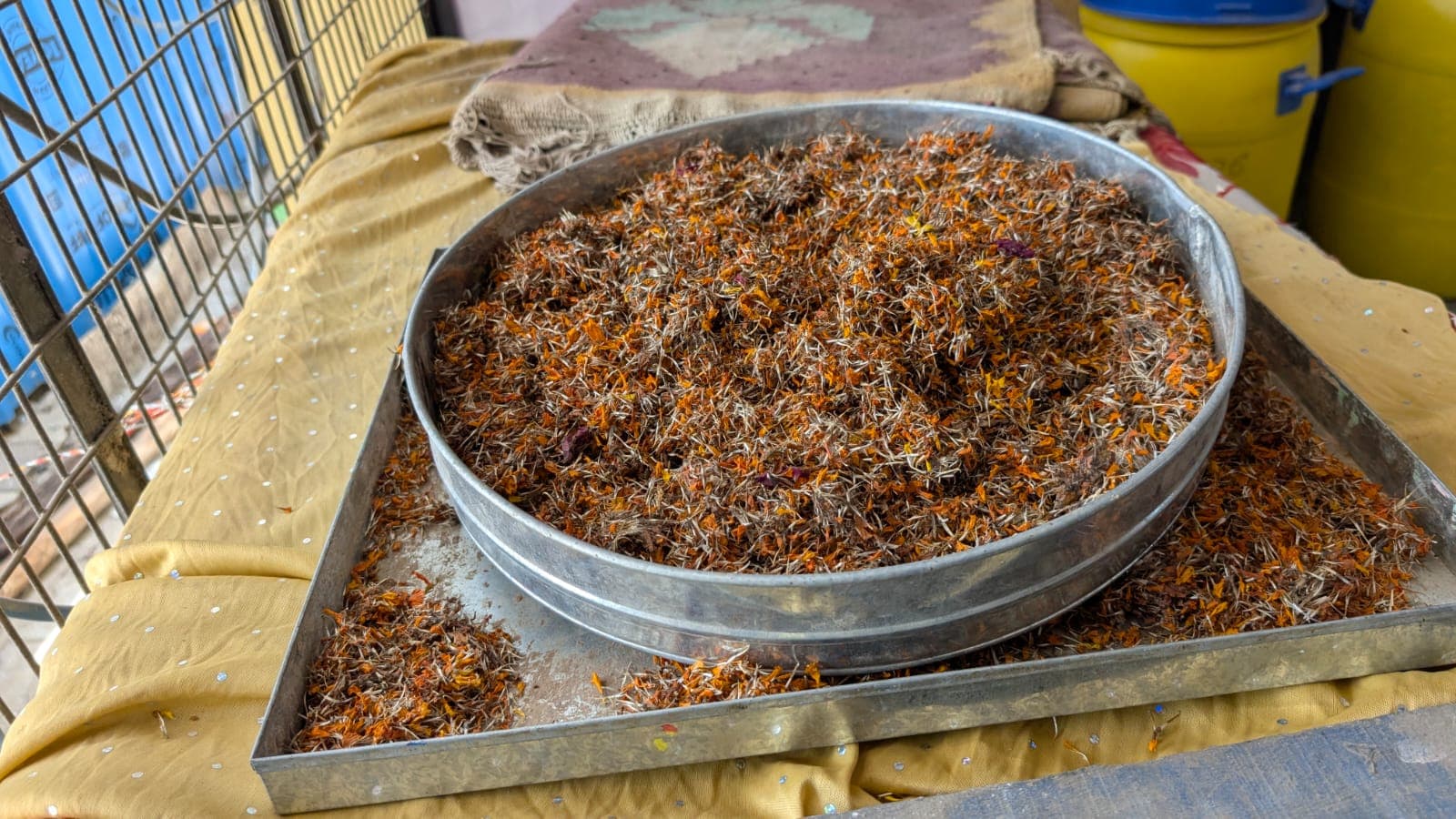
Technical Notes
What flowers leave behind at Haridwar's ghats
A technical field note on why sacred offerings must be treated as a material stream before they become fragrance.
1 May 2026